Kathryn Hawkins • February 14, 2023

Cornerstone Law Firm

Starting a business can seem daunting - endless things to do, so many hats to wear! Branding, Strategies, Structure, Hiring, Marketing – the list can be overwhelming, but DON’T let that stop you, your DREAM is worth it! Streamline your startup process and create a new business checklist. Take that off the tasks you need to tackle and WRITE IT DOWN! A sequential checklist and knowing the order in which to tackle tasks can expedite your success.

Here are some of the most important steps to take when starting a business. 

#1 Search your proposed name and logo (if designed) for any conflict, likeliness or trademark issues. This is not just searching your state! Checking the USPTO for trademarks can save you headaches. Protect your intellectual property.

#2 Choose your form of business. Your future business goals will determine which is best for you. Get advice from your attorney and accountant. You do not have to go it alone; a team of advisors can support and ensure you are avoiding potential pitfalls.

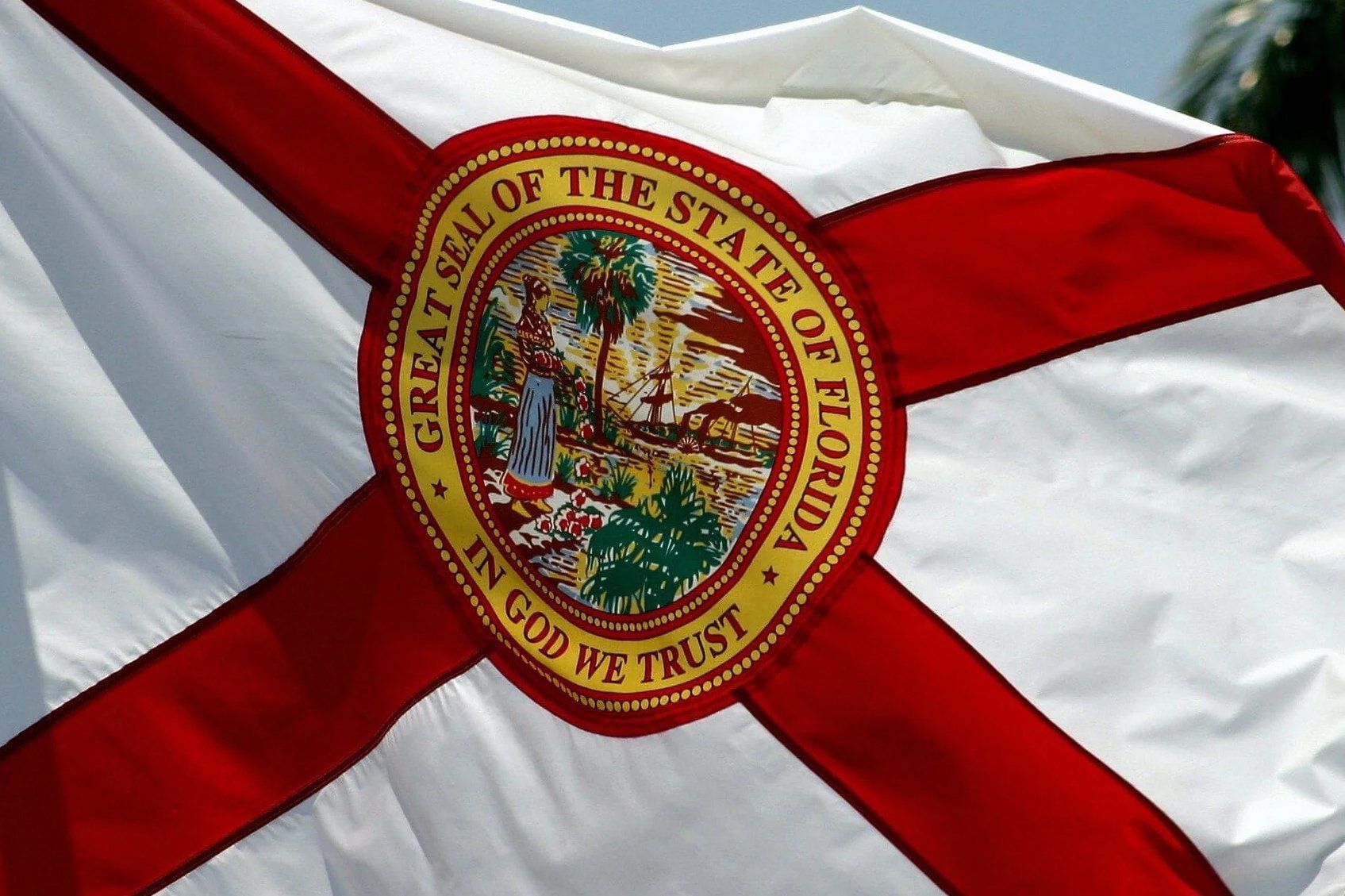
#3 Register your business with the Florida Secretary of State’s office and help develop and define your operations with tailored Operating and Incorporation documents.

#4 Maintain your record at Florida Secretary of State’s Office to avoid delinquency and higher filing fees. This will require filing an annual report with the state. Your Registered Agent should monitor and ensure annual reporting is filed properly. 

#5 Based on location, you may need additional City and County business licensure. This application discloses matter of business and alerts whether sales tax is necessary. General rule, if you are selling any products; you must collect and pay sales tax. Discuss this with your accountant!

#6 Do you have a financial and business plan? Every successful business needs one!  

  • Obtain your federal tax identification number (EIN) from the IRS.

  • Create a business plan, budget, cash flow projections, and determine working capital needs.

  • Contact your accountant for bookkeeping and account management.

  • Establish a business bank account and credit card.

  • Establish business credit.

  • Understand the tax implication of the entity you are using for your business.

  • Obtain your wage withholding account number from the Florida Department of Revenue.

  • Check that you have all of the federal, state and local tax information and forms.

  • Get all proper insurance coverage; some recommendations are liability, property protection, workers comp (cyber security and an umbrella policy). Your insurance agent is an important part of your team. 

Working with an attorney from the inception of your business helps you determine what form of business to choose, how to execute your plan and how to protect your dream. Every business is unique, whether you are looking at starting a solo business, a partnership, a joint venture, non-profit or a franchise. The attorneys at the CLF can assist you in taking the steps to make your dream real. >>>>>


By Jason O'Neal January 15, 2026
A partition is a legal process that lets a co-owner of property force a division of that property when the owners can’t agree on what to do with it.
By Jason O'Neal February 19, 2025
Effective January 1, 2025, substantial revisions to the Florida Realtors/Florida Bar (FR/Bar) Residential Contract for Sale and Purchase are in effect. The revisions aim to improve clarity, bring the contract into compliance with recent legislative changes, and ensure fairness in real estate transactions.
By Jason O'Neal January 24, 2025
If you own property in Florida and are exploring creative ways to transfer ownership while carrying an existing mortgage, you may encounter a potential roadblock: the due-on-sale clause. This clause, found in most mortgage agreements, gives your lender the right to demand full repayment of the loan if the property is sold or transferred without their consent. Understanding how this clause works and how it applies to specific scenarios is crucial to avoid financial pitfalls.
By Jason O'Neal January 6, 2025
As Florida ushered in the new year, several laws took effect on January 1, 2025, impacting various aspects of daily life. Here are a few of the legistative changes to be aware of in the Sunshine State:
By Jason O'Neal October 7, 2024
When it comes to securing your assets and ensuring your wishes are honored after your passing, understanding the differences between wills and trusts is essential. Both estate planning tools serve the critical purpose of directing how your property is distributed, but they function in distinct ways and offer varying benefits. It is helpful to look into the key features, advantages, and potential drawbacks of each, to determine which option may be best suited for your individual circumstances and goals. Whether you're looking to minimize probate complications, protect assets, or provide for loved ones, a thorough understanding of wills and trusts will empower you to make informed decisions about your estate planning strategy.
By Kathryn Hawkins June 30, 2023
An LLC (Limited Liability Company) operating in Florida without an operating agreement may encounter several issues that could potentially disrupt the business's operations and create legal and financial challenges. Some of the issues that can arise for an LLC without an operating agreement in Florida include:
By Kathryn Hawkins June 20, 2023
By Kathryn Hawkins June 14, 2023
Are you ready to make the most out of your summer in Orlando? Look no further! We've compiled a comprehensive list of 101 thrilling activities that will keep you entertained all season long. From theme parks to outdoor adventures, cultural experiences to water parks, there's something for everyone. Get ready to create lasting memories with friends and family as you embark on an incredible summer journey in Orlando.
By Kathryn Hawkins May 24, 2023
Revocable trusts, also known as living trusts, are a popular estate planning tool in Florida. A revocable trust is a legal document that allows individuals, referred to as grantors or settlors, to transfer their assets into a trust during their lifetime, with the flexibility to modify or revoke the trust at any time. One of the main benefits of a revocable trust is that it allows for the avoidance of probate, which is the court-supervised process of distributing a person's assets after their death. In Florida, where probate can be time-consuming and costly, a revocable trust can be a valuable tool for estate planning.
By Kathryn Hawkins May 19, 2023
Use a planner or calendar to keep track of important dates and appointments.Create a to-do list each day to prioritize tasks.Declutter your physical space regularly to reduce stress and increase productivity.Use digital tools such as productivity apps to stay organized.Keep important documents and information in a designated folder or file.Automate repetitive tasks like bill payments or email responses.Break down larger tasks into smaller, more manageable steps.Set achievable goals and track your progress.Delegate tasks to others when possible.Keep a tidy workspace to improve focus and motivation.Use time-blocking to schedule specific activities throughout the day.Create a morning routine to start the day off on the right foot.Take breaks throughout the day to avoid burnout and increase productivity.Use a meal planning system to simplify grocery shopping and meal prep.Set boundaries with your time and learn to say no to commitments that don't align with your priorities.Practice mindfulness and meditation to reduce stress and improve focus.Use a budgeting tool to keep track of expenses and finances.Keep a journal to reflect on your thoughts and emotions.Learn to effectively manage your email inbox and avoid getting overwhelmed.Prioritize self-care activities like exercise, hobbies, and spending time with loved ones.