Kathryn Hawkins • February 7, 2023

Cornerstone Law Firm

When you visualize “asset protection” do you think about hiding money in your mattress? Maybe offshore accounts in the Cayman Islands? Or do you simply think it doesn’t apply to you?

The concept of protecting your stuff can mean different things, and it can be done for different reasons - but make no mistake, it does matter for everyone. Asset protection can be a critical part of your estate planning strategy, no matter the size of your estate. The best strategy for you will be tailored based on your goals and the nature of your assets. 

Asset protection is the process of structuring assets (property, cash, businesses, and investments) to prevent for a current or future creditor from being able to collect on those assets.

Our society has become increasingly litigious and anyone can be sued – and anything of value (or that generates income) can be at risk. What kind of liabilities do we need to protection from? 

The most common suits that expose liabilities are:

  1. Plaintiffs’ lawsuits

  2. Business lawsuits

  3. Real Estate lawsuits

  4. Creditor/Loan repayment lawsuits

  5. Divorce lawsuits

  6. IRS Tax actions

Assets held in checking accounts, savings accounts and CDs, non-qualified investment accounts (mutual funds or trading accounts), real property held in an individual’s name, businesses owned as sole proprietorships or general partnerships and personal property held in an individual’s name offer little or no protection and can be lost to creditors without a protection strategy.

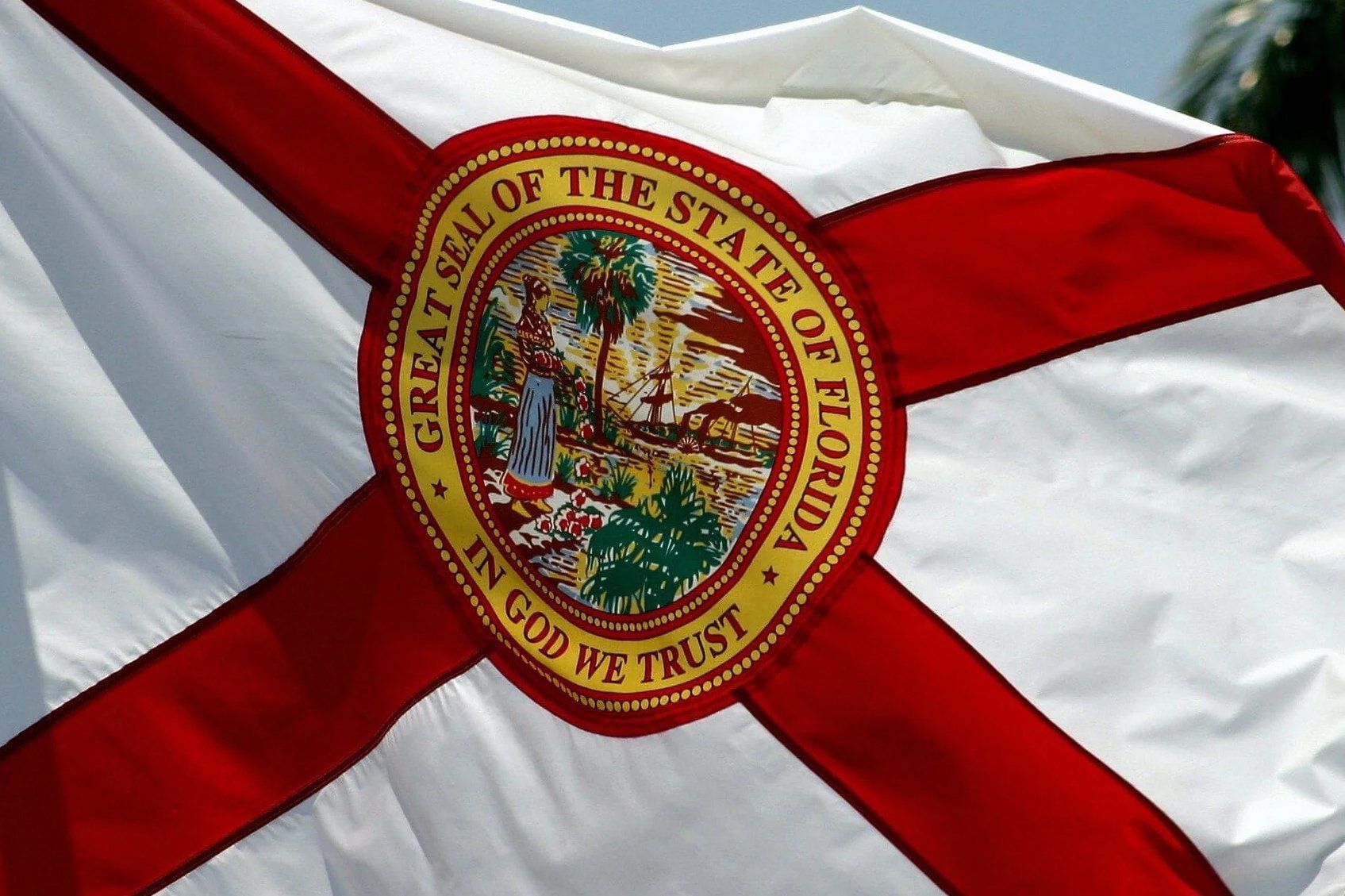
There are various strategies for Asset Protection available in Florida, some obscure and some very common worth considering.

From the most common to the most complex some ways you can create a protected class of assets are:

  1. Homestead protection and properly taking title to real estate

  2. Annuities and Life Insurance 

  3. Qualified accounts (IRAs, 401ks, and 403bs) and wage accounts

  4. Florida-based business entities (LLCs, Corporations and Limited Partnerships)

  5. Marital agreements (pre-nuptial and post-nuptial)

  6. Domestic trusts (Revocable, Domestic Asset Protection Trusts, Land Trusts, other Irrevocable Trusts)

  7. Offshore trusts and offshore business entities 


Asset protection is an important part of an individual estate plan and is most effective when it can be implemented before a problem arises. CLF attorneys focus their practice in Estate Planning, Business Formation and Strategy and Real Estate. Our team can help you at every stage of the asset protection process. Call us today for a …..


By Jason O'Neal January 15, 2026
A partition is a legal process that lets a co-owner of property force a division of that property when the owners can’t agree on what to do with it.
By Jason O'Neal February 19, 2025
Effective January 1, 2025, substantial revisions to the Florida Realtors/Florida Bar (FR/Bar) Residential Contract for Sale and Purchase are in effect. The revisions aim to improve clarity, bring the contract into compliance with recent legislative changes, and ensure fairness in real estate transactions.
By Jason O'Neal January 24, 2025
If you own property in Florida and are exploring creative ways to transfer ownership while carrying an existing mortgage, you may encounter a potential roadblock: the due-on-sale clause. This clause, found in most mortgage agreements, gives your lender the right to demand full repayment of the loan if the property is sold or transferred without their consent. Understanding how this clause works and how it applies to specific scenarios is crucial to avoid financial pitfalls.
By Jason O'Neal January 6, 2025
As Florida ushered in the new year, several laws took effect on January 1, 2025, impacting various aspects of daily life. Here are a few of the legistative changes to be aware of in the Sunshine State:
By Jason O'Neal October 7, 2024
When it comes to securing your assets and ensuring your wishes are honored after your passing, understanding the differences between wills and trusts is essential. Both estate planning tools serve the critical purpose of directing how your property is distributed, but they function in distinct ways and offer varying benefits. It is helpful to look into the key features, advantages, and potential drawbacks of each, to determine which option may be best suited for your individual circumstances and goals. Whether you're looking to minimize probate complications, protect assets, or provide for loved ones, a thorough understanding of wills and trusts will empower you to make informed decisions about your estate planning strategy.
By Kathryn Hawkins June 30, 2023
An LLC (Limited Liability Company) operating in Florida without an operating agreement may encounter several issues that could potentially disrupt the business's operations and create legal and financial challenges. Some of the issues that can arise for an LLC without an operating agreement in Florida include:
By Kathryn Hawkins June 20, 2023
By Kathryn Hawkins June 14, 2023
Are you ready to make the most out of your summer in Orlando? Look no further! We've compiled a comprehensive list of 101 thrilling activities that will keep you entertained all season long. From theme parks to outdoor adventures, cultural experiences to water parks, there's something for everyone. Get ready to create lasting memories with friends and family as you embark on an incredible summer journey in Orlando.
By Kathryn Hawkins May 24, 2023
Revocable trusts, also known as living trusts, are a popular estate planning tool in Florida. A revocable trust is a legal document that allows individuals, referred to as grantors or settlors, to transfer their assets into a trust during their lifetime, with the flexibility to modify or revoke the trust at any time. One of the main benefits of a revocable trust is that it allows for the avoidance of probate, which is the court-supervised process of distributing a person's assets after their death. In Florida, where probate can be time-consuming and costly, a revocable trust can be a valuable tool for estate planning.
By Kathryn Hawkins May 19, 2023
Use a planner or calendar to keep track of important dates and appointments.Create a to-do list each day to prioritize tasks.Declutter your physical space regularly to reduce stress and increase productivity.Use digital tools such as productivity apps to stay organized.Keep important documents and information in a designated folder or file.Automate repetitive tasks like bill payments or email responses.Break down larger tasks into smaller, more manageable steps.Set achievable goals and track your progress.Delegate tasks to others when possible.Keep a tidy workspace to improve focus and motivation.Use time-blocking to schedule specific activities throughout the day.Create a morning routine to start the day off on the right foot.Take breaks throughout the day to avoid burnout and increase productivity.Use a meal planning system to simplify grocery shopping and meal prep.Set boundaries with your time and learn to say no to commitments that don't align with your priorities.Practice mindfulness and meditation to reduce stress and improve focus.Use a budgeting tool to keep track of expenses and finances.Keep a journal to reflect on your thoughts and emotions.Learn to effectively manage your email inbox and avoid getting overwhelmed.Prioritize self-care activities like exercise, hobbies, and spending time with loved ones.